Anti-Semtism in Mexico.

Despite the largely integration of Jews into American society and general social disapproval of discrimination or violence, anti-Semitism persisted into the 21st century. Like many other ethnic groups, stereotypes remained ingrained in popular culture. In some cases, criticism of Israel or Zionism became a way of expressing anti-Semitic ideas.

Faced with the new migratory flows, in Mexico there were social attitudes and political-administrative norms contrary to the Jewish presence. Certainly, discriminatory processes have significant links with the marginalization, subjugation, persecution, and extermination of human groups, the expressions of which have varied throughout history.

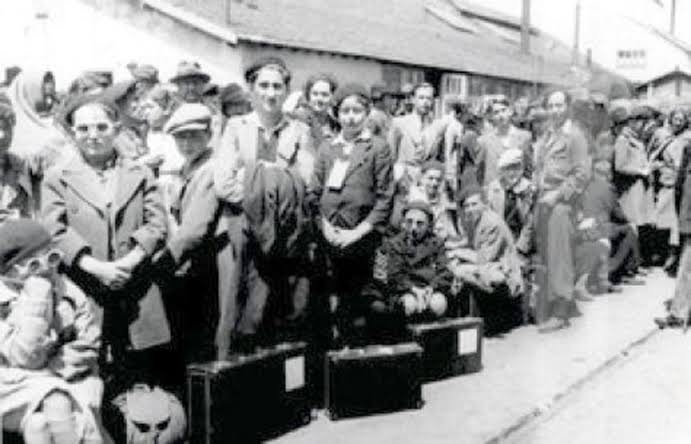
The most notorious immigration of Jews to Mexico occurs from the end of the 19th century to the middle of the 20th century, in the framework of the great migratory movements produced by the systemic crises of capitalism and the consequent wars between the imperial powers.

Immigration.

The first Jews arrived in New Amsterdam, which would later become New York City, in 1654. Stereotypes of Jews as money-hungry and miserable arose from prejudices based on Jewish prominence in money and banking in medieval Europe.

In the middle of the 17th century until 1830, the first immigration of Jews from Europe to the United States occurred. A second period, with a higher level of immigration, occurred between 1830 and 1880. During this period, most of the German Jews and other Jews from Western Europe arrived. The third and largest influx of Jews took place between 1880 and 1924, when the majority of Jewish immigrants came from Eastern Europe. The pursuit of religious and political freedoms, as well as economic opportunities, was an important factor during each of these periods.

Jewish.

Judaism is the religion, tradition and culture of the Jewish people. Historically, it is the oldest of the three monotheistic religions, a group that includes Christianity and Islam that originated in the Middle East.

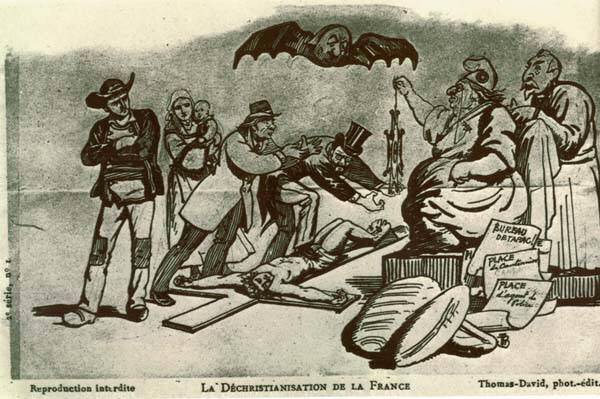
Since the Middle Ages in Europe, Jews have been victims of discrimination and persecution on religious grounds. Christians saw the Jewish faith as a deviation to be combated. At times, Jews were forced to convert or were prohibited from pursuing certain professions.

The image of the Jews as the murderer of Christ caused suspicion and hatred. In Christian countries, Jews suffered humiliation and expulsion. They were singled out as children of the devil and accused of murdering children as part of their religious rituals. However, the Church prohibited their denial of sustenance and the observance of the rites of their religion and prevented their total extermination.

Historical context of the Nuremberg trials.

At the Yalta Conference, the leaders of the allies had agreed that an international tribunal would try the main Nazi leaders, who were held responsible for the outbreak of the Second World War and for the war crimes committed during the conflict. This resolution was confirmed at the Potsdam Conference, which was held in July 1945.

After the end of the war, the devastation was so great and the war crimes that were coming to light so heinous that the Allies confirmed the determination that exemplary punishments be imposed on those responsible for the extermination of millions of human beings.

On August 8, 1945, representatives of the United States, France, Great Britain, and the Soviet Union signed the London Charter, a document that set out the principles and procedures by which the Nuremberg trials would be governed.

Consequences of the Nuremberg trials.

  • The trials gave global visibility to the Jewish Holocaust and to all the crimes against humanity carried out by the Nazi regime.
  • The classification of crimes carried out by the international military court was valuable information that the United Nations used for the development of an international jurisprudence on war crimes and crimes against humanity, as well as for the constitution, as of 1998, of the Permanent International Criminal Court.
  • The Nuremberg trials set a valuable precedent: from then on, crimes committed by individuals of a nation in other countries or in one’s own country could be tried by all the affected countries or by the international community.
  • The grounds of the judgments of the Nuremberg trials were used for the writing of the Universal Declaration of Human Rights, in 1948.

Nuremberg Trials.

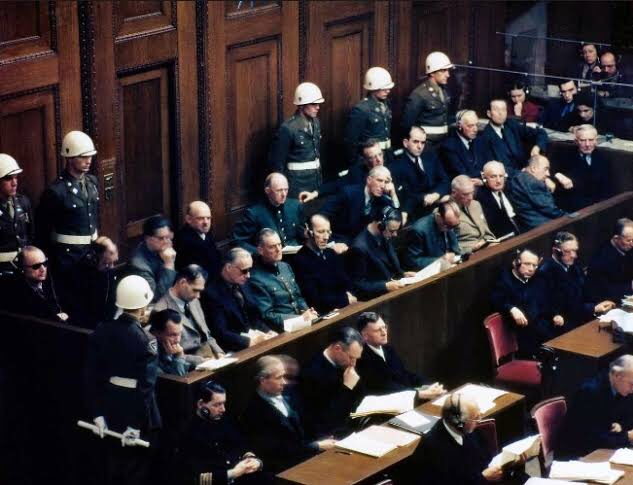
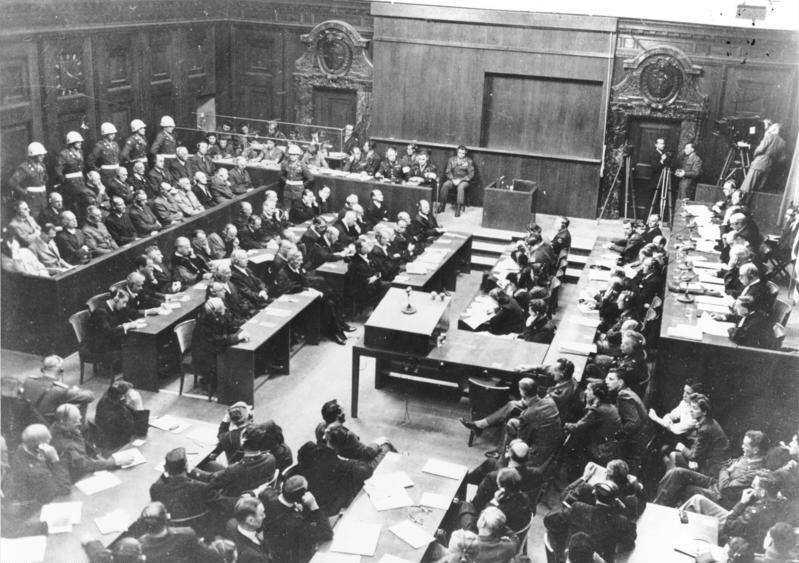
The Nuremberg trials are called a set of judicial processes promoted by the victorious nations of the Second World War against more than 600 leaders, officials and collaborators of Nazi Germany. The defendants were indicted for planning and unleashing war, for war crimes and for crimes against humanity.

All the trials were held in the Palace of Justice in the German city of Nuremberg, where in 1935 Hitler had passed the Nuremberg Laws, of a racist and anti-Semitic nature.

The main trial took place between November 20, 1945 and October 1, 1946. Between 1946 and 1949, 12 additional trials were held, during which police chiefs, intelligence service commanders, civil servants were tried. various ministries, doctors, judges and other officials of the Nazi regime.

Consequences of Nazimism.

  • The sanction of the Nuremberg Laws, a series of racist and anti-Semitic provisions adopted in 1935, which enshrined the legal discrimination of Jews and their alienation from German society.
  • The increase in military power and the expansionist pretensions of the Hitler government, which led to the outbreak of the Second World War in 1939.
  • The murder of millions of people (Jews, Gypsies, homosexuals, Jehovah’s Witnesses and other minorities) in the concentration and extermination camps set up by the Nazi regime during the war. The main perpetrators of these crimes against humanity were tried and sentenced to death or life imprisonment at the Nuremberg Trials, carried out between 1945 and 1946.
  • The military occupation of Germany by the troops of the Allies, which led to the division of the country into two states, one capitalist and the other socialist. In Berlin, the capital of East Germany, the Berlin Wall was built in 1961 to divide the eastern part of the city from the western one.
  • After the deaths of Hitler and Mussolini in 1945, fascism lost popularity and became, in both Italy and Germany, a minority political movement.

Causes of Nazism.

  • The defeat of Germany in the First World War, which left the country immersed in a serious economic, political and social crisis.
  • The excessive sanctions imposed on Germany by the Treaty of Versailles, in terms of war reparations.
  • The Great Depression, which followed the economic crisis of 1929 and paralyzed the German economy, leaving millions unemployed and plunging much of the population into despair and poverty.
  • The rise in popularity of fascism, which, in the face of the economic and social crisis, strikes and street protests, appeared as a movement capable of restoring political and social order.

Characteristics of Nazism.

  • It is considered a totalitarian and authoritarian movement in which power emanates from the leader and not from the people.
  • He rejected the democratic system, proclaimed the Nazi Party as the only party in Germany, and persecuted and oppressed opponents.
  • He held racist ideas that claimed the superiority of the Aryan race and the inferiority of all others. This gave rise to the cult of force and led to the elimination of ethnic minorities and the implementation of methods of reproductive control to «perfect» the Aryan race.
  • He defended pan-Germanism, which promotes the political and cultural union of all peoples of Germanic origin.
  • He implemented imperialist and expansionist policies, which promoted the conquest of territories in search of a vital space that would ensure the supply of fuel and raw materials to interwar Germany.
  • He manipulated the media and education to gain popular support. The advertisements in cinema, radio, newspapers and television played a fundamental role in the strategy of Nazism to spread its ideology.

Nazism.

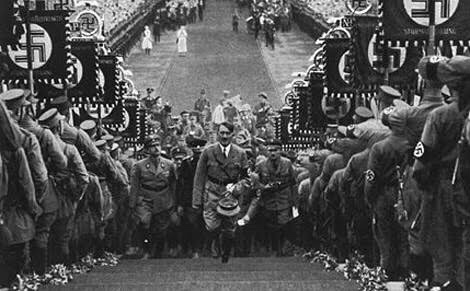
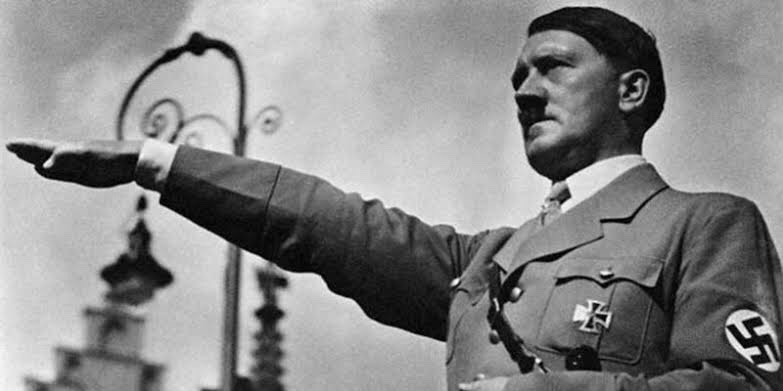
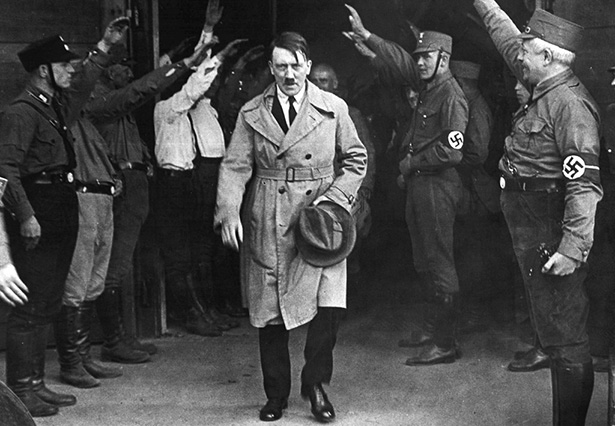
Nazism, also called National Socialism or Nazi Party, was a political ideology that emerged in Germany after the First World War. The creator and main leader of Nazism was Adolf Hitler, who ruled the German state from 1933 to 1945.

This far-right ideology rejected both liberal democracy and one-party socialist regimes based on Marxism. Furthermore, it affirmed the superiority of the Aryan race and its right to rule the world.

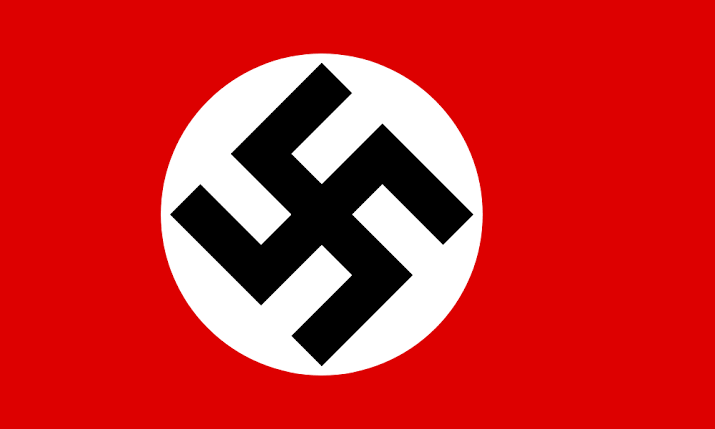
The symbol of Nazism was the swastika and its totalitarian methods of government included street violence, persecution of opposition leaders, discrimination against minorities, and various armed conflicts with neighboring countries.

Likewise, Nazism is considered to be the main responsible for unleashing the Second World War