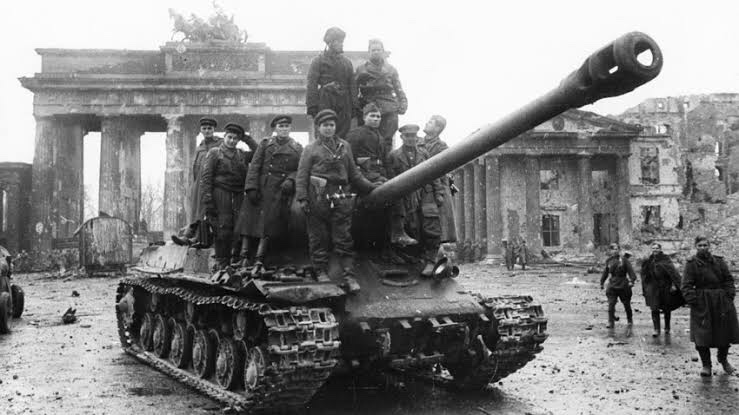
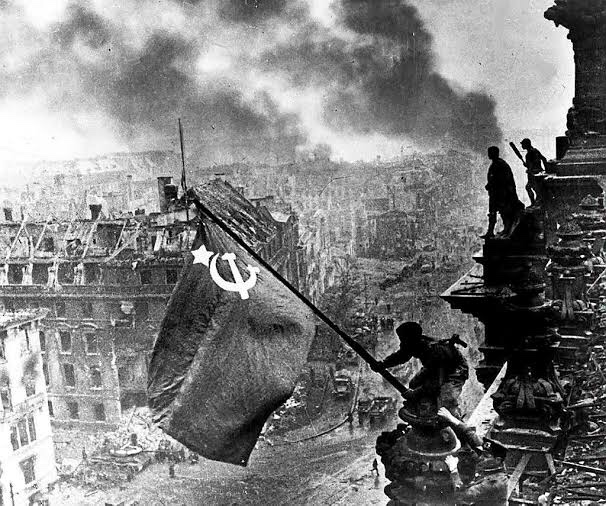
Most of the German capital was taken by the Soviets, forcing the defenders to accept their unconditional surrender.
After the victory, many Soviet soldiers carried out robberies, murders and rapes of German women.
With the suicide of Hitler, Goebbels and other high German officials, the Nazi Party was left without a head.
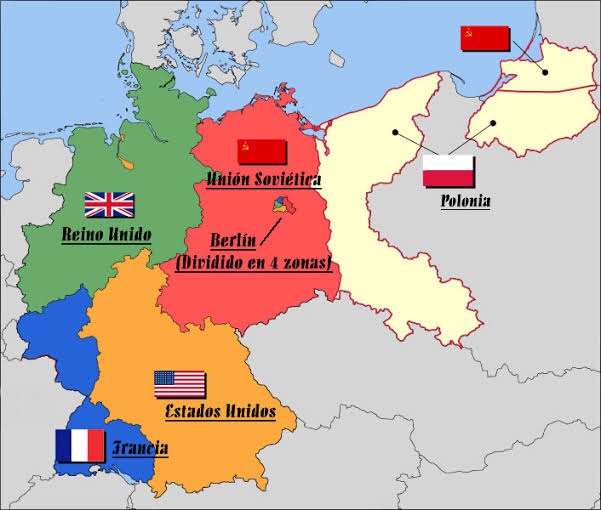
The fall of Berlin led to the unconditional surrender of Germany and this meant the destruction of the Third Reich and the end of World War II in Europe.
The Soviets reported some 400,000 casualties while the Germans lost about 200,000 men. An estimated 150,000 civilians died during the siege of the city.
The Soviet advance on Berlin provoked a wave of German refugees who surrendered to the Western Allies on the banks of the Elbe River.




 Luis Fernando Ruiz Valdez